


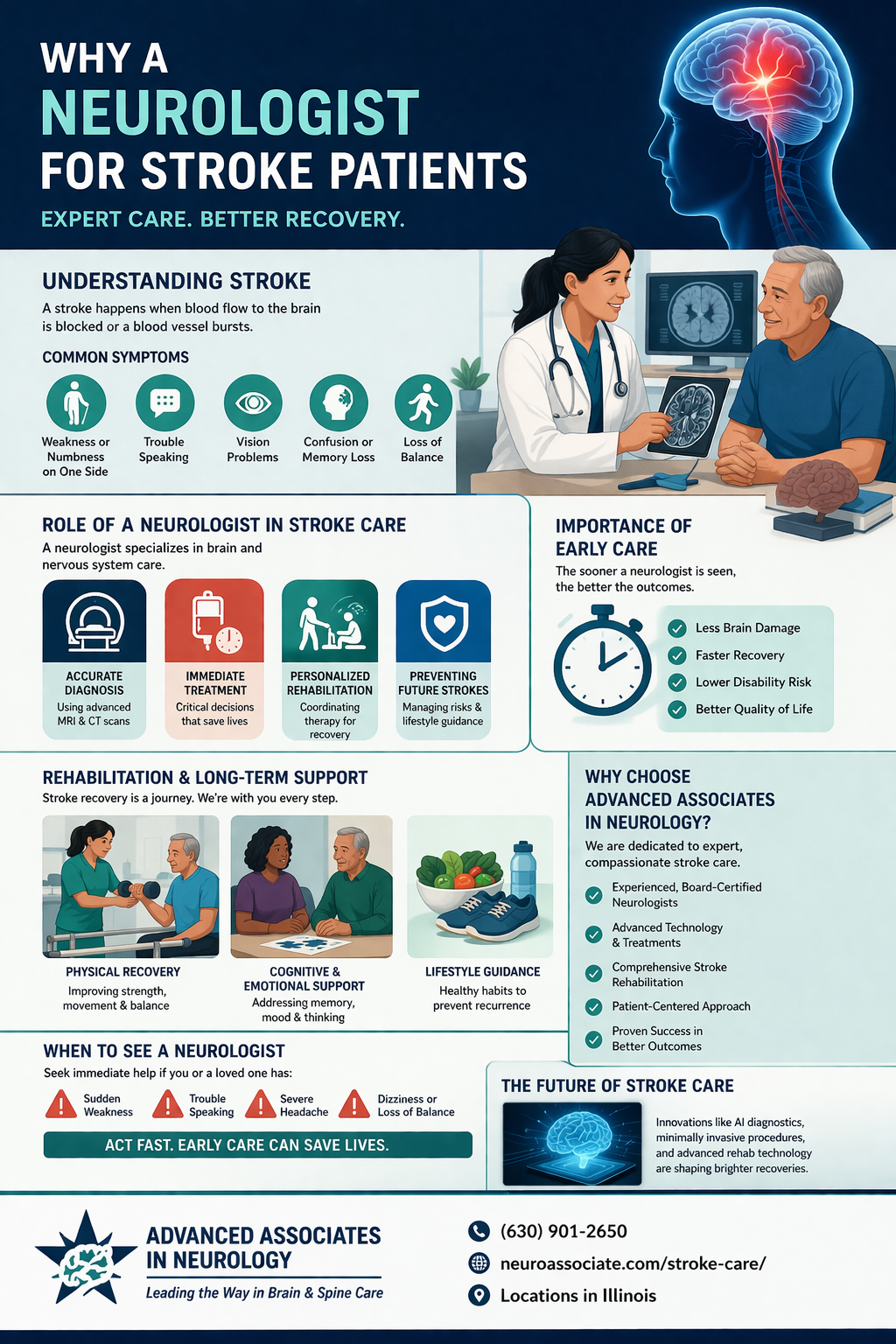
A stroke is a life-changing medical emergency that requires immediate attention and long-term care. Recovery doesn’t end after the initial hospital treatment—it continues through rehabilitation, monitoring, and prevention of future strokes. This is where a neurologist for stroke patients plays a critical role. Choosing the right specialist can significantly improve recovery outcomes, reduce complications, and help patients regain independence.
Understanding Stroke and Its Impact
A stroke occurs when blood flow to the brain is interrupted, either due to a blockage (ischemic stroke) or a rupture of blood vessels (hemorrhagic stroke). Without oxygen and nutrients, brain cells begin to die within minutes. The effects of a stroke vary depending on the area of the brain affected, but common symptoms include:
- Weakness or paralysis on one side of the body
- Difficulty speaking or understanding language
- Vision problems
- Memory loss
- Loss of coordination and balance
Because every stroke is different, recovery plans must be personalized—and that’s exactly what a neurologist specializes in.
Role of a Neurologist in Stroke Care
A neurologist is a medical expert trained to diagnose and treat disorders of the brain, spinal cord, and nervous system. For stroke patients, their role goes far beyond initial diagnosis.
1. Accurate Diagnosis and Assessment
A neurologist uses advanced imaging tools such as MRI and CT scans to determine the type and severity of the stroke. This helps in designing an effective treatment plan.
2. Immediate Treatment Decisions
Time is critical in stroke care. Neurologists guide emergency treatments such as clot-busting medications or surgical interventions, ensuring the best possible outcomes.
3. Personalized Rehabilitation Plan
Recovery after a stroke requires a combination of therapies including physical therapy, speech therapy, and occupational therapy. A neurologist coordinates these efforts based on the patient’s condition.
4. Preventing Future Strokes
One of the most important responsibilities is identifying risk factors like high blood pressure, diabetes, or heart disease. A neurologist provides medications and lifestyle guidance to reduce the risk of recurrence.
Importance of Early Neurological Care
Early intervention by a neurologist can make a significant difference in recovery. Patients who receive specialized neurological care within the first few hours of a stroke often experience:
- Reduced brain damage
- Faster recovery times
- Lower risk of long-term disability
- Better quality of life
Delaying treatment or relying on general care without neurological expertise can limit recovery potential.
Rehabilitation and Long-Term Support
Stroke recovery is a gradual process that can take weeks, months, or even years. A neurologist remains involved throughout this journey, monitoring progress and adjusting treatments as needed.
Physical Recovery
Neurologists work closely with physiotherapists to help patients regain strength, mobility, and coordination.
Cognitive and Emotional Support
Stroke can affect memory, thinking, and emotional health. Neurologists address these issues through therapy and medication when necessary.
Lifestyle Modifications
Patients are guided on diet, exercise, and habits such as quitting smoking or managing stress to support long-term health.
Choosing the Right Neurology Center
Selecting a trusted neurology clinic is essential for effective stroke care. Look for the following qualities:
- Experienced and board-certified neurologists
- Advanced diagnostic technology
- Comprehensive stroke rehabilitation programs
- Patient-centered care approach
- Strong track record of successful outcomes
One such trusted name is Advanced Associates In Neurology, known for providing expert care tailored to each patient’s needs. Their team focuses on accurate diagnosis, advanced treatment methods, and compassionate support throughout recovery.
Benefits of Specialized Stroke Care
Working with a neurologist offers several advantages:
- Expertise in brain health: Specialized knowledge ensures accurate treatment
- Customized care plans: Every patient receives individualized attention
- Ongoing monitoring: Regular follow-ups help track recovery
- Reduced complications: Early detection of issues prevents worsening conditions
- Improved independence: Patients regain confidence and daily functioning
When to See a Neurologist
If you or a loved one has experienced a stroke, consulting a neurologist should be a priority. Additionally, seek neurological care if you notice warning signs such as:
- Sudden numbness or weakness
- Trouble speaking or understanding speech
- Severe headaches with no known cause
- Dizziness or loss of balance
Early evaluation can prevent serious complications and improve outcomes.
Future of Stroke Treatment
Advancements in medical technology are transforming stroke care. From AI-assisted diagnostics to minimally invasive procedures, neurologists now have access to tools that enhance precision and effectiveness. Rehabilitation techniques are also evolving, incorporating virtual therapy and robotic assistance to speed up recovery.
With ongoing research and innovation, the future of stroke treatment looks promising, offering hope to millions of patients worldwide.
Conclusion
Recovering from a stroke requires more than just initial treatment—it demands expert care, continuous monitoring, and a personalized approach. A neurologist for stroke patients plays a vital role in every stage of recovery, from diagnosis to rehabilitation and prevention.
Choosing a trusted provider like Advanced Associates In Neurology ensures that patients receive comprehensive, high-quality care designed to improve outcomes and restore quality of life. With the right medical support, stroke recovery is not just possible—it can lead to a healthier and more independent future.