


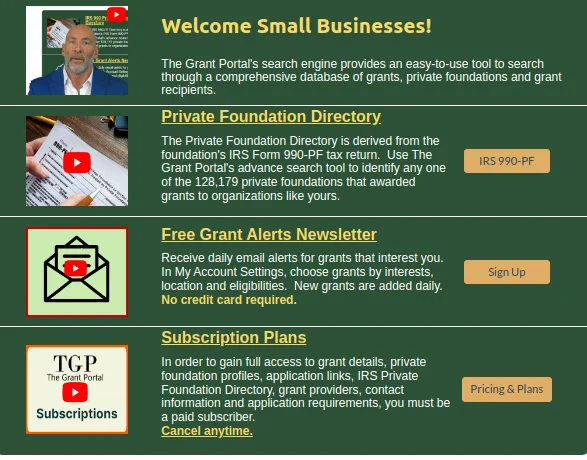
Grants for individual artists play a vital role in helping creative professionals bring their artistic visions to life without relying solely on personal savings or commercial income. Artists working in visual arts, music, dance, theater, literature, film and other creative disciplines often face financial challenges while developing new projects. Funding opportunities can provide the necessary resources to create, experiment and grow professionally. Many artists seek support through trusted platforms such as The Grant Portal, which helps connect applicants with relevant grant opportunities and valuable funding information.
Why Artist Grants Matter in Today’s Creative Economy
The modern creative landscape is highly competitive, making financial support more important than ever. Grants enable artists to dedicate time to their craft, invest in materials and pursue innovative projects without immediate commercial pressure. Unlike loans, grants generally do not require repayment, allowing recipients to focus on creativity rather than debt management. As arts organizations and foundations continue to recognize the value of cultural contributions, grants remain an essential tool for supporting artistic development and preserving diverse creative voices across communities.
Types of Funding Available for Artists
Artists can access a wide range of funding opportunities depending on their discipline and career stage. Project-based grants support specific creative works, while career development grants help artists gain training, mentorship or professional exposure. Residency grants provide financial assistance for immersive creative experiences, and emergency grants offer relief during unexpected hardships. Some programs focus on emerging artists, while others support established professionals seeking to expand their artistic practice. Understanding these categories helps applicants identify opportunities that align with their goals and creative ambitions.
Finding the Right Grant Opportunities
Research is a critical part of securing funding. Artists should regularly explore databases, foundation websites, arts councils and grant directories to identify suitable opportunities. Resources such as The Grant Portal simplify the search process by providing access to extensive listings and funding information. Successful applicants carefully review eligibility requirements, deadlines and application guidelines before submitting proposals. Staying organized and maintaining a calendar of opportunities can significantly improve an artist’s chances of receiving support throughout the year.
Building a Strong Grant Application
A compelling application often determines whether an artist receives funding. Grant reviewers look for clear project descriptions, realistic budgets, measurable outcomes and evidence of artistic merit. Applicants should explain their creative vision in a concise yet engaging manner while demonstrating how the grant will support meaningful artistic growth. Supporting materials such as portfolios, performance samples or writing excerpts can strengthen an application. The most successful proposals communicate both artistic excellence and practical planning, helping reviewers understand the project’s potential impact.
The Importance of an Artist Statement
An artist statement is often one of the most influential components of a grant application. This document allows artists to explain their creative philosophy, inspiration and goals in their own voice. A well-crafted statement helps reviewers connect with the applicant’s work and understand its significance. Rather than relying on complex language, artists should focus on authenticity and clarity. A thoughtful artist statement can distinguish an application from others and create a memorable impression during the evaluation process.
Creating a Realistic Project Budget
Budget preparation is a crucial aspect of grant writing that many artists overlook. Reviewers want to see that applicants understand the financial requirements of their projects and can manage funds responsibly. A strong budget should include materials, equipment, travel expenses, venue costs, marketing efforts and other relevant expenditures. Transparency is essential, as inflated or unrealistic figures may weaken an application. Demonstrating careful financial planning shows professionalism and increases confidence in the project’s successful completion.
Common Mistakes Artists Should Avoid
Many promising applications fail due to avoidable errors. Missing deadlines, ignoring eligibility requirements, and submitting incomplete materials are among the most common mistakes. Some artists focus heavily on artistic concepts while neglecting practical details such as timelines and budgets. Others use generic language that does not clearly explain the project’s purpose. Taking time to review application requirements and seeking feedback from peers or mentors can greatly improve submission quality and increase funding prospects.
How Grants Support Long-Term Career Growth
Receiving a grant often provides benefits that extend far beyond immediate financial assistance. Funding can enhance an artist’s professional reputation, open doors to new collaborations and create opportunities for exhibitions, performances, publications or screenings. Grant recipients frequently gain valuable exposure that helps attract future support from sponsors, collectors and institutions. The credibility associated with funded projects can strengthen an artist’s portfolio and contribute to sustained career advancement over time.
Preparing for Future Funding Success
Artists who consistently secure grants often treat the application process as an ongoing professional practice. Maintaining an updated portfolio, documenting completed projects and tracking accomplishments can simplify future submissions. Building relationships within the arts community and staying informed about funding trends also contributes to long-term success. Persistence is important because even highly talented artists may face rejection before receiving support. Continuous improvement and strategic planning can lead to greater opportunities in the future.
Turning Artistic Vision Into Lasting Impact
Grants for individual artists represent more than financial assistance; they serve as investments in creativity, innovation and cultural enrichment. By exploring opportunities, developing strong applications and utilizing resources such as The Grant Portal, artists can access valuable support that helps transform ideas into meaningful projects. Whether emerging or established, creative professionals who actively pursue funding can expand their artistic reach, strengthen their careers and contribute lasting value to society through their work. The right grant can become a catalyst for artistic achievement and long-term creative success.