


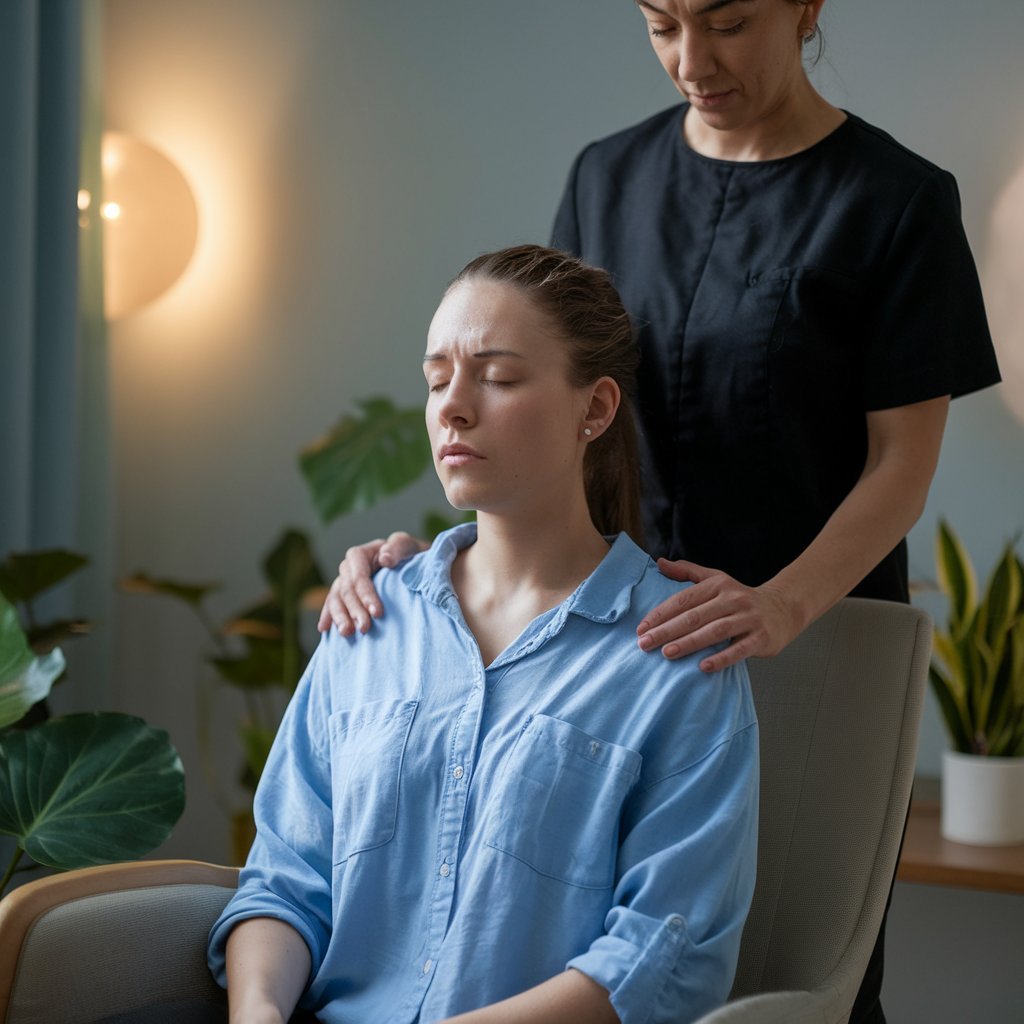
Therefore, mindfulness mental health therapy is more than a mental health technique; it is a compassionate way of connecting with the present moment. This therapy has been developed through a combination of ancient contemplative practices and modern psychology. It allows individuals to become aware of their thoughts and feelings without making judgments. In today’s fast-paced world, where stressful and anxious feelings are common, mindfulness mental health therapy is a way to achieve a state of inner calm through a practical approach to mindfulness.
The Foundations of Mindfulness in Therapy
Essentially, mindfulness is about attention, awareness and presence. Mindfulness-based therapists, therefore, help their patients develop awareness about their thoughts, feelings, and bodily sensations. This, in turn, enables them to overcome negative thought patterns. Rather than trying to avoid negative thoughts, individuals develop the ability to face them, knowing that these thoughts, too, shall pass. Ultimately, this enables them to develop inner strength, which is vital for their mental well-being.
How Mindfulness Supports Mental Health
One of the most interesting aspects of mindfulness mental health therapy is its ability to adapt to various situations. Mindfulness therapy is effective in helping individuals deal with anxiety, depression, trauma and stress. This is because, by living in the present, one is able to break free from worries about the future or regrets about the past. This reduces the effects of negative thoughts. In addition, mindfulness is effective in improving one’s health, such as lowering blood pressure, improving sleep and increasing energy levels.
Techniques Used in Mindfulness Therapy
Mindfulness therapy is not a one-size-fits-all approach. Therapists often tailor techniques to suit individual needs. Common practices include mindful breathing, body scans and guided meditation. These exercises help individuals anchor their awareness in the present moment. Another valuable technique is mindful observation, where clients learn to notice their environment or internal experiences with curiosity. Over time, these practices become tools that individuals can use independently, fostering a sense of autonomy in managing their mental health.
The Role of the Therapist
A skilled therapist acts as both a guide and a collaborator in mindfulness mental health therapy. Rather than directing or prescribing solutions, they create a safe space for exploration. Through gentle questioning and supportive dialogue, therapists help clients uncover patterns in their thoughts and behaviors. This collaborative approach builds trust and encourages openness. Many professionals, including those at platforms like Tulua Collaborative Health, emphasize a personalized and empathetic approach, ensuring that therapy aligns with each individual’s unique journey.
Integrating Mindfulness into Daily Life
One of the strengths of mindfulness therapy is its practicality. It does not require hours of meditation or drastic lifestyle changes. Simple practices—such as paying attention to your breath during a stressful moment or savoring a meal without distractions—can make a significant difference. Over time, these small shifts accumulate, leading to greater emotional stability and clarity. The goal is not perfection but consistency, allowing mindfulness to become a natural part of everyday living.
Challenges and Misconceptions
Despite its benefits, mindfulness mental health therapy is sometimes misunderstood. Some people believe it requires clearing the mind completely or achieving a constant state of calm. In reality, mindfulness is about acknowledging whatever arises, even discomfort or distraction. Another challenge is patience; the benefits of mindfulness develop gradually. It is a skill that requires practice and commitment. Recognizing these realities can help individuals approach mindfulness with realistic expectations and a sense of curiosity.
Scientific Evidence Behind Mindfulness
Research in psychology and neuroscience continues to support the effectiveness of mindfulness-based approaches. Studies have shown that regular mindfulness practice can change brain structures associated with attention, emotional regulation, and self-awareness. These findings highlight that mindfulness is not just a philosophical concept but a scientifically validated method for improving mental health. As a result, it is increasingly integrated into therapeutic models worldwide.
Mindfulness for Different Life Stages
Mindfulness mental health therapy can benefit individuals across all stages of life. For young adults, it can provide tools to manage academic and social pressures. For working professionals, it offers strategies to cope with stress and burnout. Older adults may find mindfulness helpful in navigating life transitions and maintaining emotional balance. Its adaptability makes it a valuable resource for diverse populations, regardless of age or background.
Building a Sustainable Practice
Creating a sustainable mindfulness practice involves setting realistic goals and being kind to oneself. Starting with just a few minutes a day can be enough to build momentum. Over time, individuals may choose to deepen their practice through longer sessions or additional techniques. Support from a therapist or community can also enhance motivation and accountability. The key is to approach mindfulness as a lifelong journey rather than a quick fix.
A New Perspective on Healing
Mindfulness based mental health therapy provides a refreshing perspective on the healing process. This type of therapy moves the focus away from “fixing what’s wrong with me” and toward “embracing the full spectrum of human experience.” This not only helps with the healing process but also with personal growth and self-discovery. By becoming more aware and present in the moment, people are able to move beyond the confines of the past and find hope for the future.
Embracing the Present: A Path Forward
Mindfulness mental health therapy is a reminder that healing is often not so much about changing our lives as it is about changing how we relate to our lives. By learning to fully engage in the present moment, we can unlock a more balanced life. Whether on our own or through a mental health professional, mindfulness mental health therapy remains an incredibly powerful tool for those seeking enlightenment, peace, and well-being.