


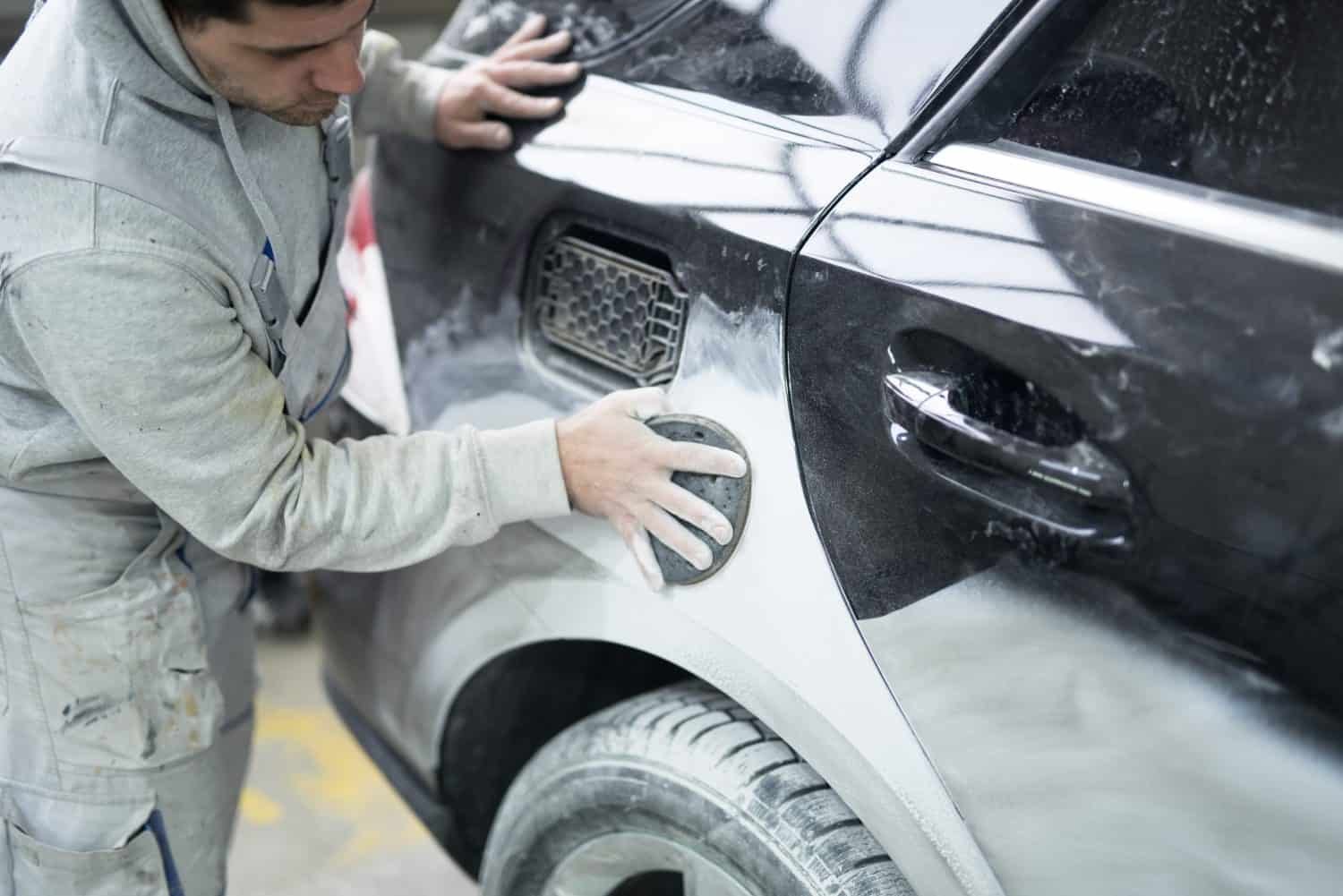
Whether your vehicle has scratches, faded paint, chipped surfaces or collision damage, professional auto painting in Central PA can help restore its appearance and protect its exterior. A quality paint repair involves more than applying a fresh coat of color. Proper surface preparation, accurate color matching and careful finishing all contribute to a consistent result. Becker Body Shop serves drivers in the Central Pennsylvania area with auto body and collision repair services, including painting and refinishing. By having the damage assessed before work begins, you can better understand the repair process and determine the appropriate solution for your vehicle.
Why Professional Auto Painting Matters
Your vehicle’s paint finish contributes to its appearance and helps protect the underlying surfaces from everyday exposure. Road debris, weather, sunlight, minor accidents and ordinary wear can gradually affect the finish. Scratches and chips may expose lower layers of paint or, in some cases, bare metal.
Professional refinishing addresses the damaged surface and helps create a more consistent appearance. Depending on the condition of the vehicle, the process may include sanding, minor body repairs, primer application, paint application and clear-coat finishing.
The correct approach depends on the type and extent of damage. A small scratch may require a different repair from a dented panel or a vehicle that needs extensive refinishing. An inspection helps determine the work required before a repair estimate is prepared.
Common Reasons Drivers Need Auto Painting
Scratches and paint chips are frequent reasons for seeking refinishing services. Scratches may occur in parking lots, while loading items or through contact with branches and other objects. Paint chips can result from stones or road debris striking the vehicle.
Fading and peeling may develop over time due to exposure, age or deterioration of the existing finish. A vehicle that has been involved in a collision may also need painting after damaged panels are repaired or replaced.
Some drivers seek refinishing to address mismatched paint from previous repairs. Others may want to improve the appearance of a vehicle with widespread cosmetic wear. The appropriate service depends on the vehicle’s condition, the desired result and the repair professional’s assessment.
The Importance of Surface Preparation
Surface preparation is a critical part of automotive painting. Applying paint over an uneven, contaminated or poorly prepared surface can affect the final appearance and durability of the finish.
Depending on the repair, preparation may involve cleaning, sanding, removing damaged paint, correcting surface imperfections and applying primer. If a panel has dents or other body damage, that work may need to be completed before refinishing begins.
A properly prepared surface provides a suitable foundation for the paint system. When discussing a repair, ask the shop what preparation steps are included and whether any bodywork is needed before painting.
Color Matching for a Consistent Finish
Matching new paint to the existing vehicle finish can be challenging. Even when the original paint code is available, the appearance of the paint may have changed over time because of sunlight, weather and regular use.
The repair process may involve identifying the original color and adjusting the paint formulation to suit the vehicle. Metallic and pearlescent finishes can require particular attention because their appearance changes with lighting and viewing angle.
Ask whether the repair will involve only the damaged panel or whether blending into adjacent areas may be appropriate. The repair professional can explain the options based on the vehicle’s color, damage location and condition.
Auto Painting After Collision Damage
When a vehicle has been involved in an accident, painting is often one part of a larger repair. A damaged bumper, door, fender or quarter panel may need to be repaired or replaced before the finish can be restored.
The shop should assess the affected area and explain whether structural, mechanical, or body repairs are needed alongside refinishing. Addressing underlying damage before painting helps ensure that the work is not limited to covering visible marks.
Becker Body Shop provides auto body and collision repair services in the Central Pennsylvania area. Its business listing identifies auto painting and refinishing among its specialties, along with work on domestic and imported vehicles.
Choosing an Auto Painting Shop in Central PA
When selecting a repair facility, look for clear communication about the proposed work, the materials and processes involved and the expected timeline. Ask for an estimate that explains whether the repair includes bodywork, preparation, paint application and finishing.
It is also helpful to ask how the shop handles color matching and how the completed work is inspected. If your vehicle was damaged in an accident, ask whether the facility can help coordinate repair documentation or communicate with your insurance provider.
Be sure to review the estimate and ask questions before authorizing repairs. Understanding what is included can help you compare options and avoid confusion if additional damage is discovered during the process.
Caring for Your Vehicle After Repainting
After the repair, follow the shop’s specific instructions for washing and maintaining the finish. Paint products and curing requirements can vary, so the repair facility’s guidance should take priority.
For routine care, use automotive cleaning products and soft materials suitable for vehicle finishes. Avoid abrasive tools that may create new scratches and remove contaminants such as bird droppings or tree residue when practical.
Regularly checking your vehicle for new chips or scratches can help you identify damage early. Prompt attention may reduce the chance of a small surface issue developing into a more extensive repair.
Restore Your Vehicle With Auto Painting in Central PA
Choosing professional auto painting in Central PA can help address scratches, chips, fading and collision-related paint damage. The right repair depends on the condition of the vehicle and may involve surface preparation, bodywork, color matching and refinishing. Becker Body Shop provides auto body and collision repair services in the Central Pennsylvania area. Contact the shop to discuss your vehicle, request an estimate and learn which repair options may be suitable.
Frequently Asked Questions
What types of paint damage can an auto painting shop repair?
Depending on the vehicle’s condition, a shop may address scratches, chips, peeling or faded paint, mismatched finishes and paint damage caused by collisions. An inspection helps determine the appropriate repair.
Does auto painting include dent repair?
Not automatically. If a panel is dented, bodywork may be required before painting. Ask whether the estimate includes both the body repair and refinishing.
How does a shop match my vehicle’s paint color?
A repair professional may use the vehicle’s paint code and assess the existing finish to select or adjust a matching paint formulation. The process can vary depending on the color and condition of the vehicle.
Can collision damage require more than painting?
Yes. A collision may damage body panels or other components. The shop should assess the vehicle and explain any repairs needed before refinishing.
How can I contact Becker Body Shop?
Becker Body Shop is listed at 6811 Park Road, Selinsgrove, PA 17870 and can be reached at 570-743-5882.