


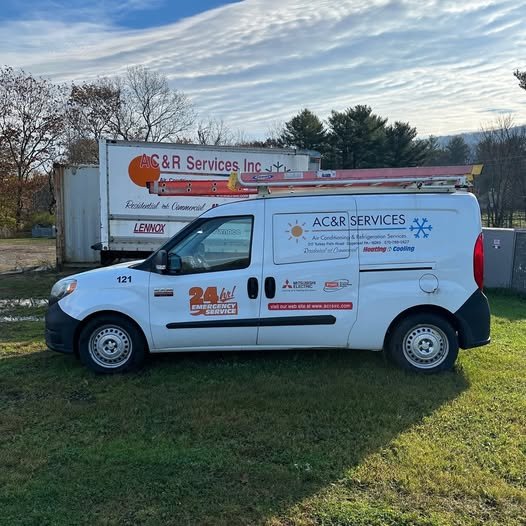
For any business, maintaining a comfortable indoor environment is essential for employees, customers, visitors and daily operations. Commercial air conditioning systems provide reliable cooling for offices, retail stores, restaurants, warehouses, healthcare facilities and other commercial properties. Unlike residential equipment, commercial cooling solutions must be carefully designed around building size, occupancy, operating hours, airflow and equipment requirements. AC&R Services provides commercial HVAC solutions throughout Northeast Pennsylvania.
What Are Commercial Air Conditioning Systems?
Commercial air conditioning systems are HVAC solutions designed specifically to cool larger buildings and commercial environments. These systems can range from rooftop units and central cooling equipment to variable flow refrigerant systems and chillers. The right solution depends on the building layout, cooling load, occupancy, business activity, and energy goals.
A properly designed system does more than lower indoor temperatures. It helps maintain consistent comfort, supports appropriate ventilation, manages humidity and can contribute to better energy efficiency. AC&R Services works with businesses to engineer cooling solutions around their particular building and usage requirements rather than relying on a one-size-fits-all approach.
Why Proper Commercial Cooling Matters
Better Comfort for Employees and Customers
Comfort can directly affect how people experience a business. An office that is too warm can make employees uncomfortable, while a retail store or restaurant with inconsistent cooling may negatively affect customer satisfaction. Properly selected commercial air conditioning systems help maintain a more stable indoor temperature throughout the facility.
Improved Energy Efficiency
Commercial buildings can consume significant amounts of energy for cooling, particularly during periods of high outdoor temperatures. Oversized equipment may cost more to purchase and operate inefficiently, while an undersized system may run excessively without adequately cooling the building.
AC&R specifically notes that correct sizing is important because equipment that is too large can increase investment costs and operate inefficiently, while equipment that is too small can underperform.
Fewer Operational Disruptions
A cooling failure can interrupt normal business operations. Professional installation and routine maintenance can help identify potential issues before they become major breakdowns. For businesses that depend on consistent indoor temperatures, reliable commercial air conditioning systems are an important part of operational planning.
Types of Commercial Air Conditioning Systems
Rooftop HVAC Units
Rooftop units are commonly used for commercial buildings because they can provide heating, cooling and ventilation while keeping major equipment outside the occupied space. They can be appropriate for businesses such as retail locations, offices, and other facilities with suitable roof configurations.
Variable Flow Refrigerant Systems
Variable flow refrigerant systems can provide flexible temperature control for buildings with multiple zones. Different areas may have different cooling requirements, so zoning can help businesses manage comfort more effectively.
AC&R Services lists variable flow refrigerant systems among its commercial comfort solutions, alongside heating, air conditioning, ventilation, refrigeration and chillers.
Commercial Chillers
Chillers can be suitable for larger facilities with substantial cooling requirements. They are engineered as part of a broader HVAC design and can provide centralized cooling for commercial and industrial applications.
Central Commercial Cooling
Centralized commercial air conditioning systems can provide cooling through connected ductwork and air distribution equipment. These systems can be designed according to the property’s size, layout, occupancy, and expected cooling demand.
How to Choose the Right Commercial Air Conditioning Systems
Selecting commercial air conditioning systems should begin with a professional assessment rather than simply choosing equipment based on price or capacity. Several factors should be considered.
Building Size and Layout
The square footage of a building is important, but it is not the only consideration. Ceiling height, windows, insulation, building orientation, room configuration and airflow requirements can all affect cooling demand.
Occupancy and Business Activity
An office with relatively consistent occupancy may have different requirements than a restaurant, supermarket, warehouse or manufacturing facility. Equipment should be selected based on how the space is actually used.
Operating Hours
Businesses operating throughout the day may place significantly different demands on their HVAC equipment than businesses with shorter operating schedules. Understanding operating hours can help contractors recommend an appropriate system and control strategy.
Future Expansion
When planning commercial air conditioning systems, businesses should also consider potential changes to their facilities. Future additions, increased occupancy or changes in how the building is used may influence equipment selection and system design.
Professional Installation Makes a Difference
Even high-quality equipment can perform poorly if it is improperly selected or installed. Professional installation helps ensure that commercial air conditioning systems are appropriately sized, configured and integrated into the building.
AC&R Services states that its commercial design team considers factors such as building type, layout, usage patterns and productivity when engineering commercial HVAC solutions.
Professional installation can also help establish a strong foundation for future maintenance. Correct installation supports airflow, equipment performance, reliability and long-term system operation.
Maintaining Commercial Air Conditioning Systems
Routine maintenance is one of the most practical ways to protect commercial air conditioning systems. Maintenance can help detect worn components, airflow problems, refrigerant concerns, electrical issues and other conditions before they result in significant downtime.
AC&R’s recent guidance recommends professional commercial AC inspections and emphasizes preparing systems before peak summer demand. Routine maintenance can improve efficiency, reduce emergency repairs, extend equipment life and support indoor comfort.
Businesses should consider scheduling professional inspections before the cooling season becomes demanding. Waiting until equipment stops working can create an unnecessary emergency and may leave employees and customers uncomfortable.
Signs Your Commercial AC System Needs Attention
Watch for warning signs that your commercial air conditioning systems may require professional service:
- Uneven temperatures between rooms or zones
- Unusual sounds or odors
- Increasing energy costs
- Weak or inconsistent airflow
- Frequent cycling
- Water around indoor equipment
- Longer cooling times
- Repeated system breakdowns
- Equipment that struggles during hot weather
A sudden decline in performance does not always mean the entire system needs replacement. Professional troubleshooting can determine whether repair, maintenance, component replacement or a complete upgrade makes the most sense.
Why Northeast Pennsylvania Businesses Need Reliable Cooling
Businesses throughout Northeast Pennsylvania experience seasonal temperature changes that place different demands on HVAC equipment. Reliable commercial air conditioning systems are particularly important during warmer months when indoor cooling requirements increase.
AC&R Services is based in Sugarloaf, Pennsylvania and serves businesses throughout Luzerne, Columbia, Montour, Carbon, Schuylkill and Lackawanna counties. The company provides commercial heating and cooling solutions and has experience with commercial and industrial HVAC applications.
For local businesses, working with an experienced HVAC contractor can make it easier to evaluate building requirements, select appropriate equipment, plan installation and establish ongoing service.
Upgrade or Replace Your Commercial AC System?
If an existing system is becoming unreliable, replacement may be worth considering. Frequent repairs, declining efficiency, inconsistent cooling, and aging equipment can indicate that an upgrade should be evaluated.
Modern commercial air conditioning systems can incorporate improved efficiency and advanced control technologies. AC&R Services works with commercial clients to identify solutions focused on efficiency, performance and value.
However, replacement should not automatically be the first choice. A professional assessment can help determine whether maintenance or targeted repairs can extend the useful life of existing equipment.
Why Choose AC&R Services?
AC&R Services has provided heating, cooling, refrigeration, and HVAC solutions in Northeast Pennsylvania for decades. The company reports that it was founded in 1979 and has continued expanding its commercial and industrial capabilities. Its technicians are EPA certified for refrigerant recovery, recycling and reclaiming and are also NATE certified.
The company provides commercial solutions covering air conditioning, heating, ventilation, refrigeration, variable flow refrigerant systems and chillers. This broad capability allows businesses to work with one HVAC provider for multiple building comfort requirements.
When you need commercial air conditioning systems, professional design, installation, maintenance or service, AC&R Services can evaluate your facility and help identify a solution designed around your business needs.
Frequently Asked Questions
1. What are commercial air conditioning systems?
Commercial air conditioning systems are cooling solutions designed for businesses and larger facilities. They can include rooftop units, central systems, variable flow refrigerant systems and chillers depending on the property’s requirements.
2. How do I choose the right commercial AC system?
The best system depends on building size, layout, occupancy, operating hours, cooling requirements, ventilation needs and energy goals. A professional assessment can help determine the appropriate capacity and configuration.
3. How often should commercial AC systems be maintained?
Professional inspection and maintenance should generally be scheduled at least twice a year, with cooling equipment checked before the primary summer season. AC&R also recommends preparing commercial systems before periods of peak cooling demand.
4. Can an oversized commercial AC system cause problems?
Yes. An oversized system can increase initial costs and may not operate as efficiently as properly sized equipment. An undersized system can also struggle to provide adequate cooling. Proper sizing is therefore an important part of commercial HVAC design.
5. When should a business replace its commercial AC system?
Replacement may be worth considering when equipment has frequent breakdowns, declining performance, rising operating costs or significant repair requirements. A professional HVAC evaluation can determine whether repair or replacement is the better option.