


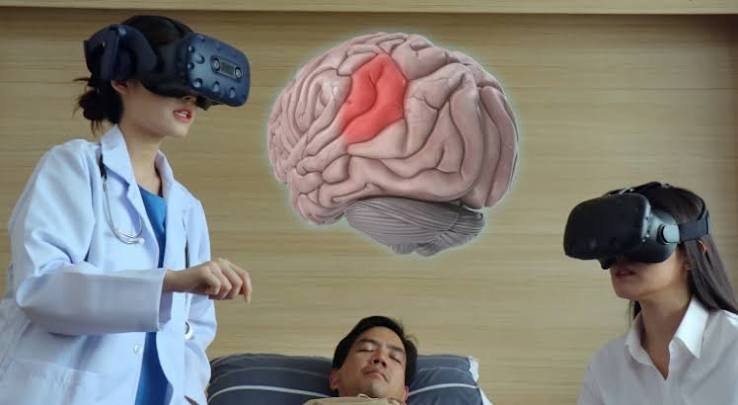
Neurological symptoms can affect movement, memory, sleep, sensation, balance, and overall quality of life. Yet getting specialized neurological care is not always easy, especially for people who live far from a specialist, have mobility challenges, or struggle to fit appointments into a busy schedule. Virtual neurology visits offer a convenient way to connect with a qualified neurologist through secure video appointments while receiving professional guidance from home.
With the right technology and appropriate clinical evaluation, virtual care can support many aspects of neurological healthcare. Advanced Associates In Neurology provides patients with access to neurological expertise while making the consultation process more convenient and accessible.
What Are Virtual Neurology Visits?
Virtual neurology visits are remote appointments between a patient and a neurology provider using secure video or telehealth technology. Instead of traveling to a medical office, patients can communicate with their neurologist from a private location.
During a virtual appointment, the neurologist may:
- Review symptoms and medical history
- Discuss medications and treatment responses
- Evaluate certain neurological symptoms through observation and guided movements
- Review relevant test results or medical records
- Provide education about a neurological condition
- Recommend diagnostic testing or an in-person examination when necessary
- Develop or adjust an appropriate treatment plan
Virtual visits do not replace every type of neurological examination, but they can be a valuable part of ongoing neurological care.
Key Benefits of Virtual Neurology Visits
1. Greater Convenience
One of the biggest advantages of virtual neurology visits is convenience. Patients can attend appointments without spending time traveling to a clinic or waiting in a crowded waiting room.
This can be particularly useful for individuals who experience fatigue, mobility limitations, or transportation difficulties.
2. Improved Access to Specialists
Neurology specialists may not be available close to every patient’s home. Telehealth can make it easier to connect with neurological providers without requiring extensive travel.
For patients in areas with limited access to specialists, virtual consultations can provide an additional pathway to professional neurological guidance.
3. Ongoing Care From Home
Some neurological conditions require regular follow-up appointments. Virtual visits can make these routine check-ins easier to manage.
A neurologist may use follow-up appointments to discuss symptom changes, medication effectiveness, treatment concerns, and progress toward healthcare goals.
4. Reduced Travel-Related Stress
Travel can be especially challenging for patients dealing with migraines, dizziness, movement disorders, chronic pain, or fatigue. Virtual neurology visits can eliminate unnecessary travel for appointments that can appropriately be handled remotely.
5. Convenient Family or Caregiver Participation
When appropriate, a family member or caregiver can join a virtual appointment from another location. Their involvement may help provide additional information about symptoms, medication routines, or changes in behavior and daily functioning.
What Conditions Can Be Discussed During Virtual Neurology Visits?
Tele-neurology may be appropriate for several neurological concerns, depending on the patient’s symptoms and clinical needs.
Common Examples
Virtual consultations may be useful for discussing:
- Migraine and other headache disorders
- Sleep-related neurological concerns
- Memory problems and cognitive changes
- Tremors and certain movement symptoms
- Neuropathy-related symptoms
- Seizure and epilepsy follow-up
- Medication management
- Neurological symptoms requiring specialist evaluation
However, certain situations require an in-person assessment, urgent testing, or emergency medical attention. A neurologist can help determine whether virtual care is appropriate.
How Do Virtual Neurology Visits Work?
Step 1: Schedule the Appointment
The first step is scheduling a telehealth appointment with a neurology provider. Patients should confirm that they have the necessary device, internet connection, and access to the telehealth platform.
Step 2: Prepare Your Medical Information
Before the appointment, gather relevant information such as:
- Current medications and dosages
- Previous neurological diagnoses
- Recent laboratory or imaging results
- Medical records when available
- A list of current symptoms
- Questions or concerns for the neurologist
Keeping a symptom diary can also help identify patterns in headaches, sleep, tremors, seizures, or other neurological symptoms.
Step 3: Join the Secure Appointment
At the scheduled time, patients typically use a smartphone, tablet, or computer to connect with their provider. Choosing a quiet, private area can make communication easier.
Step 4: Discuss Symptoms and Treatment
The neurologist will ask questions about symptoms, medical history, medications, and changes since the previous appointment. Depending on the situation, the provider may also guide the patient through simple movements or observations.
Step 5: Follow the Recommended Care Plan
After the consultation, the neurologist may recommend medication changes, additional testing, lifestyle strategies, follow-up care, or an in-person examination.
Tips for a Successful Virtual Neurology Visit
Patients can make their virtual neurology visits more productive by preparing in advance.
Test your technology: Check your camera, microphone, internet connection, and telehealth application before the appointment.
Prepare questions: Write down your most important concerns so you do not forget them during the consultation.
Keep medications nearby: Having medication bottles or an updated medication list available can help ensure accurate discussions.
Choose good lighting: A well-lit room allows the provider to observe facial expressions and certain movements more easily.
Record symptoms: Note when symptoms occur, how long they last, possible triggers, and how they affect daily activities.
When Is an In-Person Neurology Visit Necessary?
Although virtual neurology visits provide valuable access to care, they are not suitable for every situation. Some neurological concerns require a hands-on physical examination, specialized testing, imaging, or procedures that cannot be performed remotely.
If a neurologist determines that an in-person assessment is necessary, the patient can be guided toward the appropriate next step. Sudden or severe neurological symptoms—such as new weakness, difficulty speaking, loss of consciousness, or other possible signs of a medical emergency—require immediate medical attention rather than waiting for a routine virtual appointment.
FAQs About Virtual Neurology Visits
Are virtual neurology visits as effective as in-person appointments?
For appropriate conditions and follow-up care, tele-neurology can be an effective way to communicate with a neurological specialist. However, some patients require an in-person examination or diagnostic testing.
What should I prepare for a virtual neurology appointment?
Prepare your medication list, medical history, recent test results, symptom notes, and questions. Also make sure your device, camera, microphone, and internet connection are working properly.
Can virtual visits be used for ongoing neurological care?
Yes. Depending on the condition, virtual appointments can support follow-up care, symptom monitoring, medication discussions, and treatment management.
Conclusion
Virtual neurology visits are making neurological care more convenient by helping appropriate patients connect with specialists without unnecessary travel. They can support consultations, follow-up appointments, medication discussions, symptom monitoring, and ongoing neurological management.
If you are considering remote neurological care, Advanced Associates In Neurology can help you understand whether a virtual consultation is appropriate for your needs. Schedule a consultation to take the next step toward accessible, personalized neurological care.