


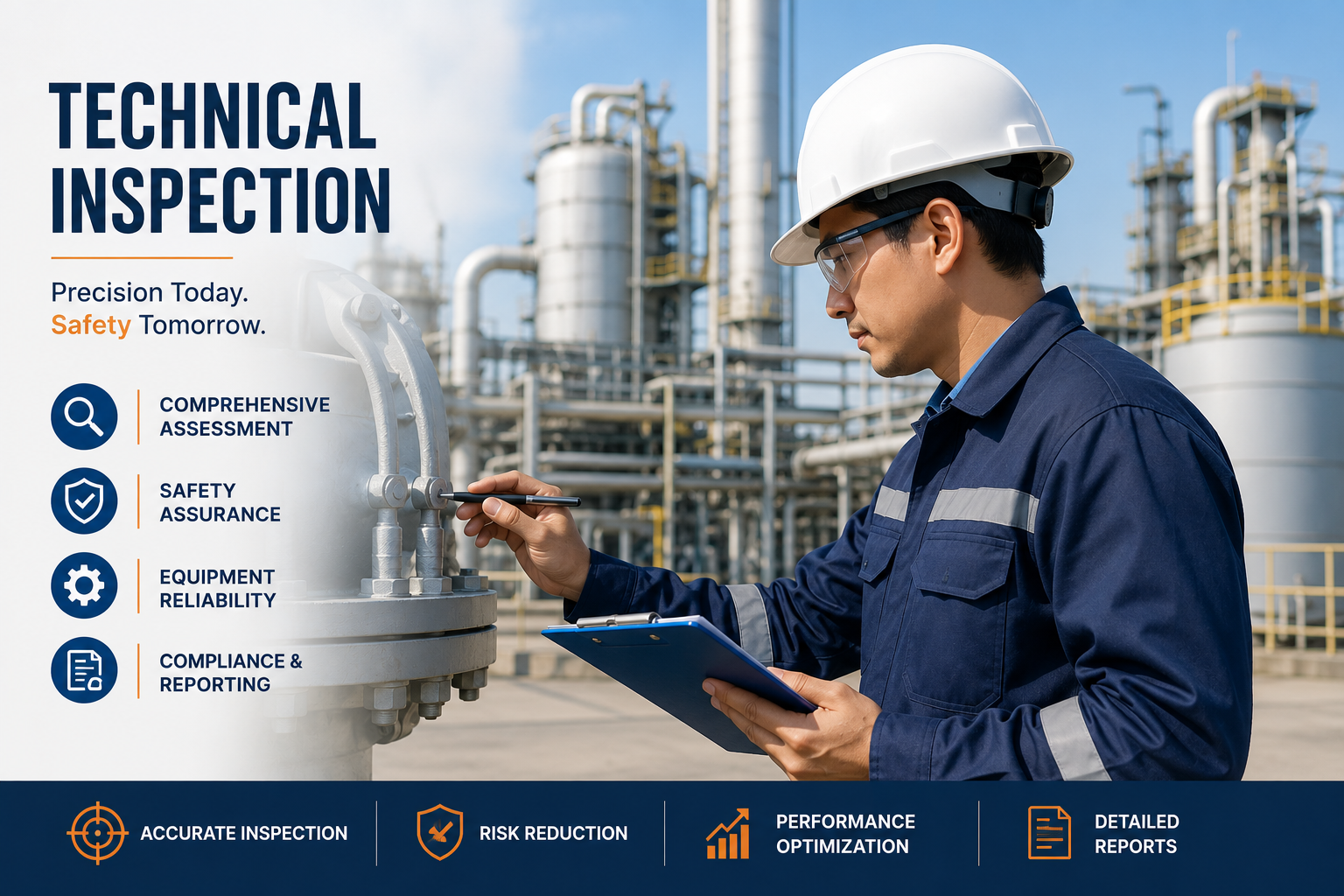
Technical inspection is a critical process that helps businesses ensure the safety, reliability, and compliance of their equipment, facilities, and operational systems. Whether in manufacturing, construction, energy, mining, or transportation, technical inspections identify potential risks before they become costly failures. By conducting regular inspections, organizations can maintain regulatory compliance, improve operational efficiency, reduce downtime, and protect employees and assets.
As industries continue to adopt stricter safety standards and advanced technologies, technical inspections have become an essential part of preventive maintenance and risk management strategies. Investing in professional inspection services helps organizations avoid unexpected equipment failures while supporting long-term business success.
What Is Technical Inspection?
Technical inspection is the systematic examination of machinery, equipment, infrastructure, and operational systems to verify that they meet safety regulations, engineering standards, and performance requirements.
Qualified inspectors evaluate equipment using visual assessments, testing procedures, measurements, and documentation reviews to identify defects or potential hazards before they escalate into major issues.
The primary objectives of technical inspection include:
- Ensuring workplace safety
- Maintaining regulatory compliance
- Identifying equipment defects
- Preventing operational failures
- Extending asset lifespan
- Reducing maintenance costs
- Improving operational reliability
Routine inspections help organizations make informed decisions regarding repairs, maintenance, and equipment replacement.
Technical Inspection Service: Professional Assessment for Critical Assets
A professional technical inspection service provides comprehensive evaluations that help businesses maintain safe and efficient operations.
What Does a Technical Inspection Service Include?
Inspection services typically cover:
- Visual equipment inspections
- Structural integrity assessments
- Mechanical system evaluations
- Electrical inspections
- Safety device verification
- Operational performance testing
- Documentation review
- Compliance reporting
These inspections provide valuable insights into equipment condition and operational risks.
Benefits of Professional Inspection Services
Working with experienced inspection professionals offers several advantages:
- Early identification of defects
- Reduced risk of accidents
- Improved equipment performance
- Lower maintenance costs
- Regulatory compliance
- Better asset management
- Increased operational efficiency
Regular inspections contribute to safer workplaces and more reliable operations.
Technical Inspection Indonesia: Supporting Industrial Growth
As industrial development continues across Southeast Asia, technical inspection Indonesia plays a vital role in maintaining safety standards across multiple sectors.
Industries That Require Technical Inspections
Professional inspection services are widely used in:
- Manufacturing
- Oil and gas
- Mining
- Construction
- Logistics
- Power generation
- Ports and terminals
- Heavy engineering
Each industry depends on reliable equipment to maintain productivity while protecting workers and the environment.
Compliance with Indonesian Regulations
Technical inspections help organizations comply with national safety regulations, industry standards, and international best practices.
Professional inspectors understand local regulatory requirements and ensure businesses remain compliant during audits and operational reviews.
Why Regular Technical Inspections Matter
Routine inspections are not simply regulatory requirements—they are valuable investments that improve operational performance.
Improve Workplace Safety
Equipment failures can result in injuries, production delays, and financial losses.
Regular inspections help identify:
- Worn components
- Structural weaknesses
- Mechanical failures
- Electrical hazards
- Safety system deficiencies
Addressing these issues early significantly reduces workplace risks.
Minimize Downtime
Unexpected equipment failures often lead to expensive production interruptions.
Preventive inspections allow businesses to:
- Schedule maintenance
- Replace damaged components
- Prevent emergency repairs
- Improve equipment availability
This proactive approach supports continuous operations.
Extend Equipment Life
Well-maintained machinery lasts longer and performs more efficiently.
Routine inspections help:
- Detect early wear
- Optimize maintenance schedules
- Reduce unnecessary replacements
- Maximize return on investment
Extending equipment lifespan reduces long-term operating costs.
Equipment Commonly Inspected
Technical inspection services cover a wide variety of industrial assets, including:
- Elevators and lifts
- Pressure vessels
- Boilers
- Cranes
- Hoists
- Conveyor systems
- Manufacturing equipment
- Electrical systems
- Structural steel
- Fire protection systems
Each inspection follows industry-specific procedures and technical standards.
The Technical Inspection Process
Professional inspections typically follow a structured methodology.
Initial Assessment
Inspectors review:
- Equipment history
- Maintenance records
- Manufacturer specifications
- Previous inspection reports
Understanding asset history helps identify recurring issues.
On-Site Inspection
The physical inspection includes:
- Visual examination
- Functional testing
- Safety checks
- Component measurements
- Structural assessment
Specialized testing equipment may also be used where required.
Reporting and Recommendations
After completing the inspection, clients receive detailed reports outlining:
- Inspection findings
- Areas of concern
- Compliance status
- Recommended repairs
- Maintenance priorities
These reports support informed decision-making and future maintenance planning.
Benefits for Businesses
Professional technical inspections deliver measurable business advantages.
Regulatory Compliance
Routine inspections demonstrate commitment to:
- Occupational safety
- Environmental responsibility
- Industry regulations
- Equipment certification
Compliance reduces legal and operational risks.
Improved Productivity
Reliable equipment contributes to:
- Consistent production
- Fewer breakdowns
- Better workflow
- Higher operational efficiency
Healthy equipment keeps businesses running smoothly.
Cost Savings
Preventive inspections help reduce:
- Emergency repairs
- Production delays
- Replacement costs
- Insurance claims
Early detection almost always costs less than major repairs.
Choosing the Right Technical Inspection Provider
When selecting an inspection company, consider:
- Industry experience
- Certified inspectors
- Knowledge of local regulations
- Advanced inspection equipment
- Comprehensive reporting
- Strong safety record
- Positive client references
A qualified inspection provider becomes a valuable partner in managing operational risk.
Future Trends in Technical Inspection
Modern inspection services continue evolving through new technologies such as:
- Drone inspections
- Thermal imaging
- Digital reporting
- Predictive maintenance
- Condition monitoring
- AI-assisted diagnostics
These innovations improve inspection accuracy while reducing operational disruptions.
Organizations adopting advanced inspection technologies can improve asset reliability and maintenance efficiency.
Technical inspection is an essential part of maintaining safe, efficient, and compliant industrial operations. Whether your organization requires a professional technical inspection service or comprehensive technical inspection Indonesia solutions, regular inspections help protect employees, extend equipment life, reduce operational risks, and improve business performance.
For reliable inspection services backed by technical expertise and international standards, Approved Group International provides comprehensive inspection, testing, certification, and risk management solutions tailored to your industry. Contact Approved Group International today to safeguard your critical assets, maintain compliance, and keep your operations running safely and efficiently.