


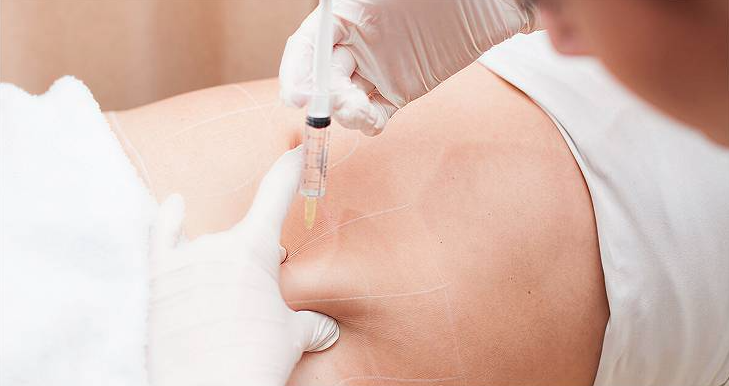
Weight loss injections have become an increasingly discussed option for people looking for professional support with weight management. Depending on the medication or treatment being considered, injections may work by influencing appetite, helping regulate blood sugar, or targeting localized fat deposits. However, not every injection is designed for the same purpose, and treatment should always be selected and monitored by a qualified healthcare professional based on an individual’s health, goals, and medical history.
A successful weight-management journey involves more than medication alone. Nutrition, physical activity, sleep, lifestyle habits, and ongoing professional support can all contribute to achieving and maintaining healthy results.
What Are Weight Loss Injections?
Weight loss injections refer to prescription or medically supervised injectable treatments that may be used as part of a comprehensive weight-management plan. Some prescription medications work systemically by affecting appetite and feelings of fullness, while other injectable treatments may be used for localized cosmetic fat reduction.
Because these treatments have different purposes, it is important to understand the distinction before choosing a treatment.
A healthcare professional may consider factors such as:
- Current weight and health status
- Weight-management history
- Existing medical conditions
- Current medications
- Lifestyle habits
- Treatment goals
- Potential risks and contraindications
This evaluation helps determine which approach may be appropriate.
How Can Injectable Weight Management Treatments Work?
Certain prescription weight-management medications influence biological pathways associated with appetite, digestion, and blood sugar regulation. They may help some eligible individuals feel fuller for longer and reduce overall food intake.
The exact mechanism depends on the medication prescribed.
Injectable treatments should therefore not be viewed as a replacement for healthy habits. Instead, when medically appropriate, they may form one component of a broader weight-management program.
Fat Removal Injections: Understanding the Difference
The term fat removal injections is sometimes used broadly in marketing, but different injectable treatments have different purposes. Some injectable cosmetic treatments are intended to reduce small, localized areas of subcutaneous fat rather than produce overall weight loss.
This distinction is important.
Localized fat-reduction treatments are generally considered for areas where stubborn fat remains despite healthy lifestyle habits. They are not necessarily equivalent to prescription medications designed for overall weight management.
A consultation can help determine which type of treatment, if any, matches your goals.
Fat Melting Injections: What Should You Know?
Fat melting injections is another commonly used term for injectable cosmetic fat-reduction treatments. These treatments may work by affecting fat cells in a targeted area, after which the body gradually processes the treated material.
Results can vary considerably depending on:
- The treatment used
- Treatment area
- Amount of localized fat
- Individual response
- Number of treatment sessions
- Lifestyle factors
It is important to have realistic expectations and understand that these treatments are not intended to replace healthy weight-management practices.
Fat Reduction Injections for Localized Areas
Fat reduction injections may be considered when a person has specific areas of localized subcutaneous fat that they would like to address.
Potential treatment areas can vary depending on the approved product and clinical assessment.
During a consultation, a qualified professional may assess:
- Skin condition
- Fat distribution
- Treatment area
- Medical history
- Desired outcome
The provider can then explain whether an injectable approach is suitable or whether another option may be more appropriate.
Fat Dissolving Injection: How Is It Different?
A fat dissolving injection is generally associated with localized cosmetic fat reduction rather than comprehensive weight management.
This means someone seeking treatment for overall weight loss may require a completely different medical approach from someone interested in improving the appearance of a small, localized area.
Understanding this difference helps prevent unrealistic expectations.
A qualified provider should explain:
- What the treatment is designed to achieve
- Where it can be used
- Expected results
- Possible side effects
- Number of treatments
- Aftercare requirements
Who May Consider Injectable Weight Management?
Not everyone is a suitable candidate for injectable weight-management treatments.
A medical professional may consider your:
- Body weight
- Medical history
- Existing health conditions
- Medications
- Previous weight-loss attempts
- Lifestyle
- Personal treatment goals
Certain medical conditions, medications, allergies, pregnancy, or other factors may affect whether a particular treatment is appropriate.
Never begin an injectable weight-management treatment simply because it worked for someone else.
Why Medical Supervision Matters
Medical supervision is one of the most important aspects of injectable weight management.
Professional care allows your provider to:
- Assess whether treatment is appropriate
- Select a suitable treatment
- Monitor your response
- Discuss potential side effects
- Adjust treatment when necessary
- Provide lifestyle guidance
- Track your progress
Regular follow-ups can also help identify concerns early and keep your treatment aligned with your health goals.
Combining Treatment with Healthy Lifestyle Habits
Injectable treatments work best as part of a comprehensive approach rather than as a standalone solution.
Healthy habits may include:
Balanced Nutrition
Focus on nutritious foods such as:
- Vegetables
- Fruits
- Lean proteins
- Whole grains
- Healthy fats
Portion awareness and consistent eating habits can also support long-term weight management.
Regular Physical Activity
Depending on your health and fitness level, activities such as walking, swimming, cycling, and resistance training can support overall wellness.
Always choose exercise that is appropriate for your individual circumstances.
Adequate Sleep
Poor sleep can affect appetite, energy levels, and daily habits. Establishing a consistent sleep routine can therefore be an important part of a healthy lifestyle.
Hydration
Drinking adequate fluids supports normal body functions and can be particularly important when making dietary and lifestyle changes.
Setting Realistic Expectations
Weight management is a gradual process. Results from injectable treatments can differ significantly from person to person.
Factors that may influence outcomes include:
- Starting weight
- Treatment type
- Adherence to the treatment plan
- Nutrition
- Physical activity
- Metabolism
- Overall health
Rather than focusing only on rapid changes, a medically supervised program should emphasize sustainable improvements and overall health.
Choosing a Professional Clinic
If you’re considering injectable weight management, choose a clinic that emphasizes professional assessment and individualized care.
Look for:
- Qualified healthcare professionals
- Personalized consultations
- Transparent treatment information
- Appropriate medical screening
- Ongoing monitoring
- Clear aftercare guidance
Avoid providers that promise guaranteed results or present injections as a universal solution for weight loss.
Weight loss injections may be an option for some individuals as part of a medically supervised weight-management program, but it is important to understand that injectable treatments are not all the same. Prescription weight-management medications, fat removal injections, fat melting injections, fat reduction injections, and a fat dissolving injection can have different purposes and should not be treated as interchangeable solutions.
If you’re considering injectable weight management or localized fat-reduction treatment, Slimspa Clinic can help you explore your options through professional consultation and individualized guidance. The team can assess your goals, discuss suitable treatments, and help you understand what to expect before beginning a program. Contact Slimspa Clinic today to take the next step toward a personalized and professionally guided approach to your weight-management goals.